Wednesday, January 22, 2014

Beans at Chibanzi

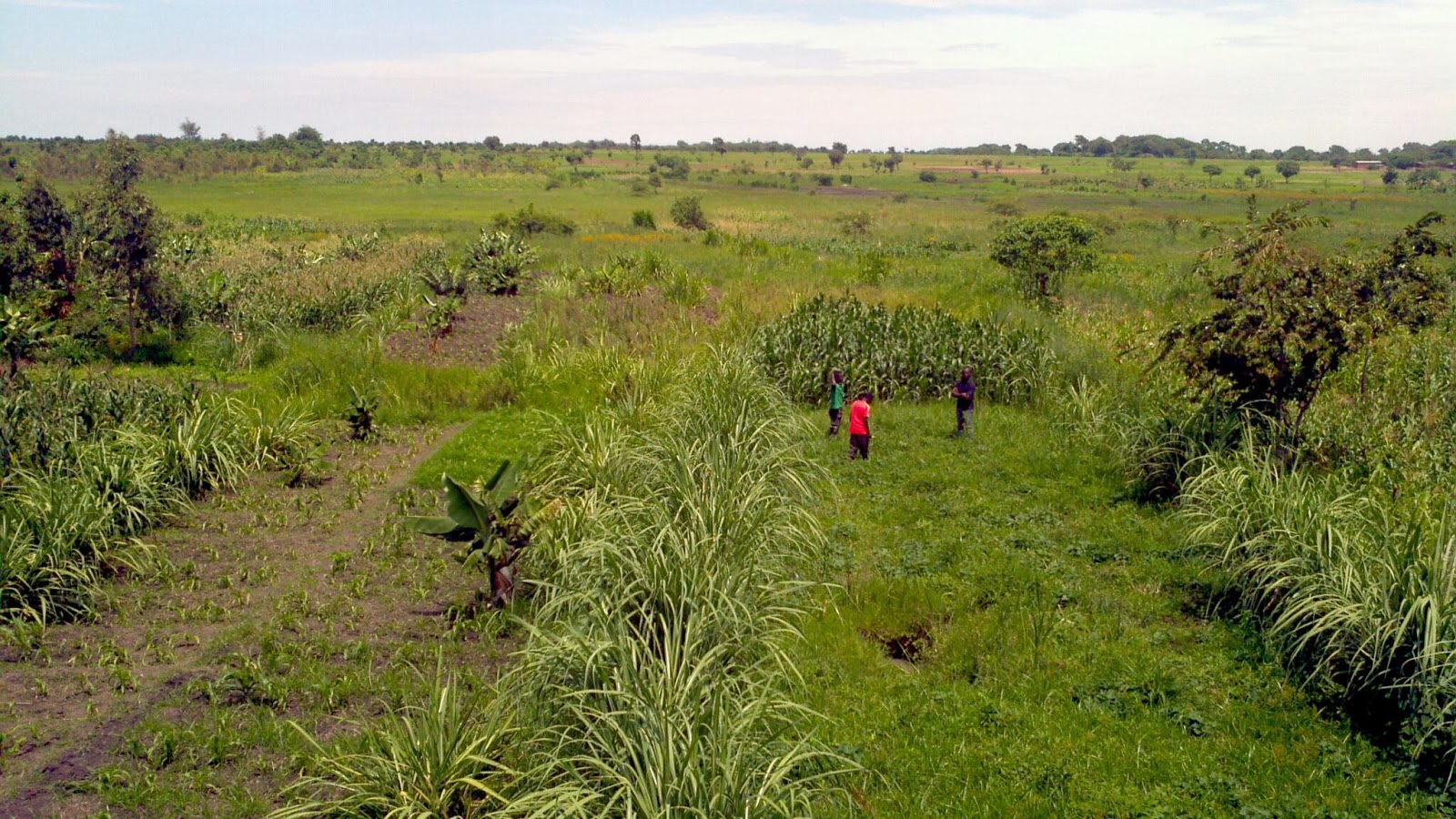
Chibanzi Village has excellent condition for growing beans. This rainy season we are piloting a bean production loan. Farmers are loaned seeds, which they will return twofold after the harvest.

Farmers were given 6 kilograms of beans to plant. This is enough to intercrop (mix more than one crop in a field) with one acre of maize or tobacco. They expect to harvest about 50 kilos of beans each, from which they will return 12 kilos to the seed bank.
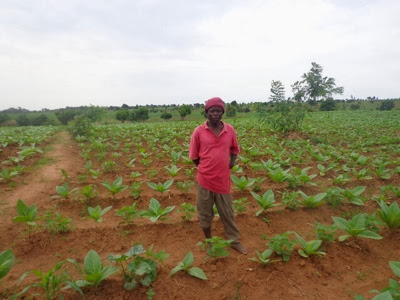
In the future, the seedbank will be large enough that farmers can take out 20-30 kilos of seed each. Providing beans throughout the year, in every household. As the seedbank grows, more farmers will be able to join in.

A seedbank also ensures that seeds are available at the time of planting. Otherwise, some farmers end up eating their last beans, leaving nothing to plant when the rainy season arrives.

Monday, January 20, 2014

Getting Out of the Hunger Cycle

Farmers in Malawi grow most of their grain in the upland during the rainy season.

In addition to irrigation, this year we are working with farmers to ensure food security by providing a loan for farm inputs such as fertilizer and quality seeds. We are coaching them on good techniques and timely application of fertilizer, while monitoring their progress.

The potential impact of this project is huge. If the 13 members of the club are successful they will harvest approximatley 1.5 metric tonnes (3,300 lbs.) of corn, per person. That is enough food to feed 5 people for a year. The club as a whole will produce nearly 50,000 meals during the rainy season at an average cost of less than US$0.03 per meal.

Of course, you can't eat just corn flour all year. Nutritional balance is provided by fruit, vegetables, tubers, and legumes, grown in the irrigated gardens. The occasional goat, pig, or chicken keeps things interesting.


Tuesday, January 7, 2014

Maize bests hunger

At Mziza farmers have embraced the techniques we have taught them. This year, more than 10 acres of maize, which was planted early and irrigated until the rainy season started, will mature before the 'hunger season' falls on the country.

Every February, tens of thousands of Malawians run short of maize for their staple food, nsima. Irrigation farmers can time a sizable harvest for February as a stopgap.

10 acres of maize might yield from 1,000 to 2,500 pounds of flour. When mixed with local vegetables, this harvest represents upwards of twenty million  calories: that is, 10,000 - 15,000 meals.
On behalf of the farmers, we are very thankful for the support you offer to us!

Tuesday, December 10, 2013

Guest Blogger Today! Thank you Jessica :)


Jessica has blogged for us before, I borrowed this from her blog Defending The Fatherless.  Thank you Jessica.


Saturday, December 7, 2013

Let's Do Some Shopping!

Well it's that time of year again when gift giving is on most people's to-do list.  It seems stores put up the Christmas decorations earlier and earlier to coax shoppers into the buying spirit.  Christmas has become so commercialized with so much  focus on stuff and sales (and I'm guilty of contributing to the frenzy).  But, I recently found out about a really great and easy way to help whole communities of people while you shop for all of those wish list items.

I've written about this amazing organization before, but I want to highlight Africa Windmill Project (AWP) again.  Africa Windmill Project was founded by good friends of ours who work with the highest level of integrity and ethical standard and with great passion and love for the people of Malawi. 


photo borrowed from AWP web page


Africa Windmiqll Project focuses on educating and supporting rural farmers as they work to feed and care for their families.  They do this by working directly with the farmers and by supporting other organizations as they work with farmers. Currently Africa Windmill Project is focused in the central region of Malawi.


photo borrowed from AWP web page


AWP is doing amazing things with farmers in Malawi and making strides towards the people of Malawi becoming food secure.  Go here to read more about AWP and follow along with their blog for regular updates here.

So how can you help AWP continue it's mission of helping Malawians become self sufficient and successful farmers?

It's simple.  Go shopping!

Amazon has created a way to easily and effortlessly contribute to Africa Windmill Project by simply buying the things that are already on your list.  

The program is called AMAZON SMILE and Amazon will donate 0.5% to AWP every time you shop via the AMAZON SMILE site and select "Africa Windmill Project" as the beneficiary.

That's it.  

Amazon Smile carries all the same items as the regular Amazon site, so you won't be missing out on anything by switching over to Amazon Smile.  You shop and families across the world in Malawi benefit! 

 Now that's Christmas giving at it's finest. And,  this program is available all year long, so remember it for all your online shopping.

Pass it on.............................................

Friday, December 6, 2013

Demo Garden Visitors

Representatives from KINDLE Orphan Outreach visited our demo garden in November. They currently have a successful irrigation project using treadle pumps, but they are looking at other options that can be more easily maintained locally.

Mziza Farmers Ready to Go

Mziza farmers are now fully prepared for the rains to fall. Each club member has been given enough seeds and fertilizer to plant 1 acre of maize. This acre will supply enough grain for their families for the entire year. They will use the surplus maize to pay for their inputs and save until the prices rise later next year.


Bua River Irrigation

Today we visited farmers in Kasungu District along the Bua River. Good Neighbors has started organizing irrigation clubs in the area and is looking to improve the harvests with better water pumps and irrigation techniques.