Tobacco prices on auction floors devastated the lives of farmers in an area called Kamwena. The group village headman, Symon Phiri, had successfully grown tobacco throughout the previous decade, but now needed a new way to grow food for his family.
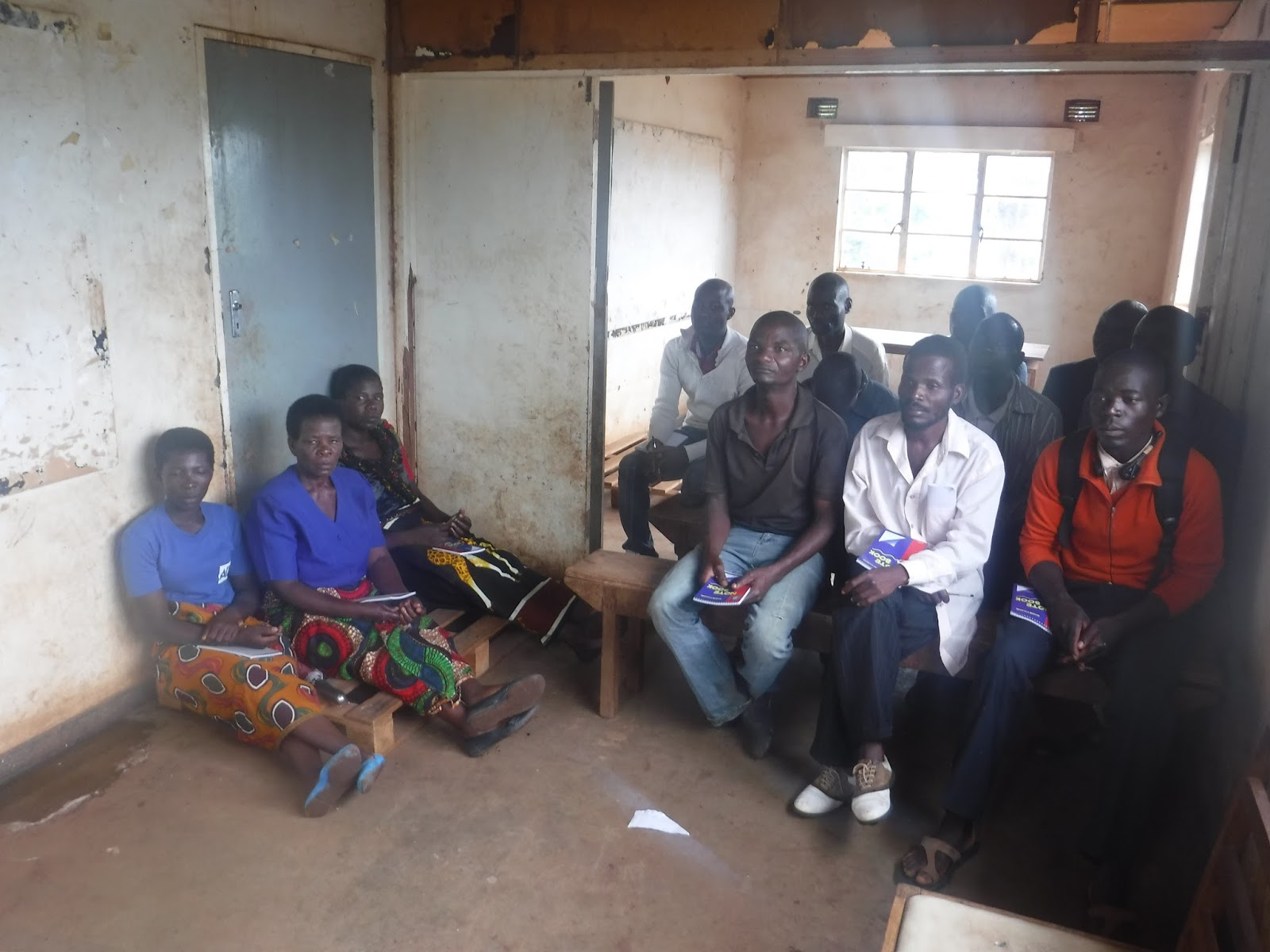
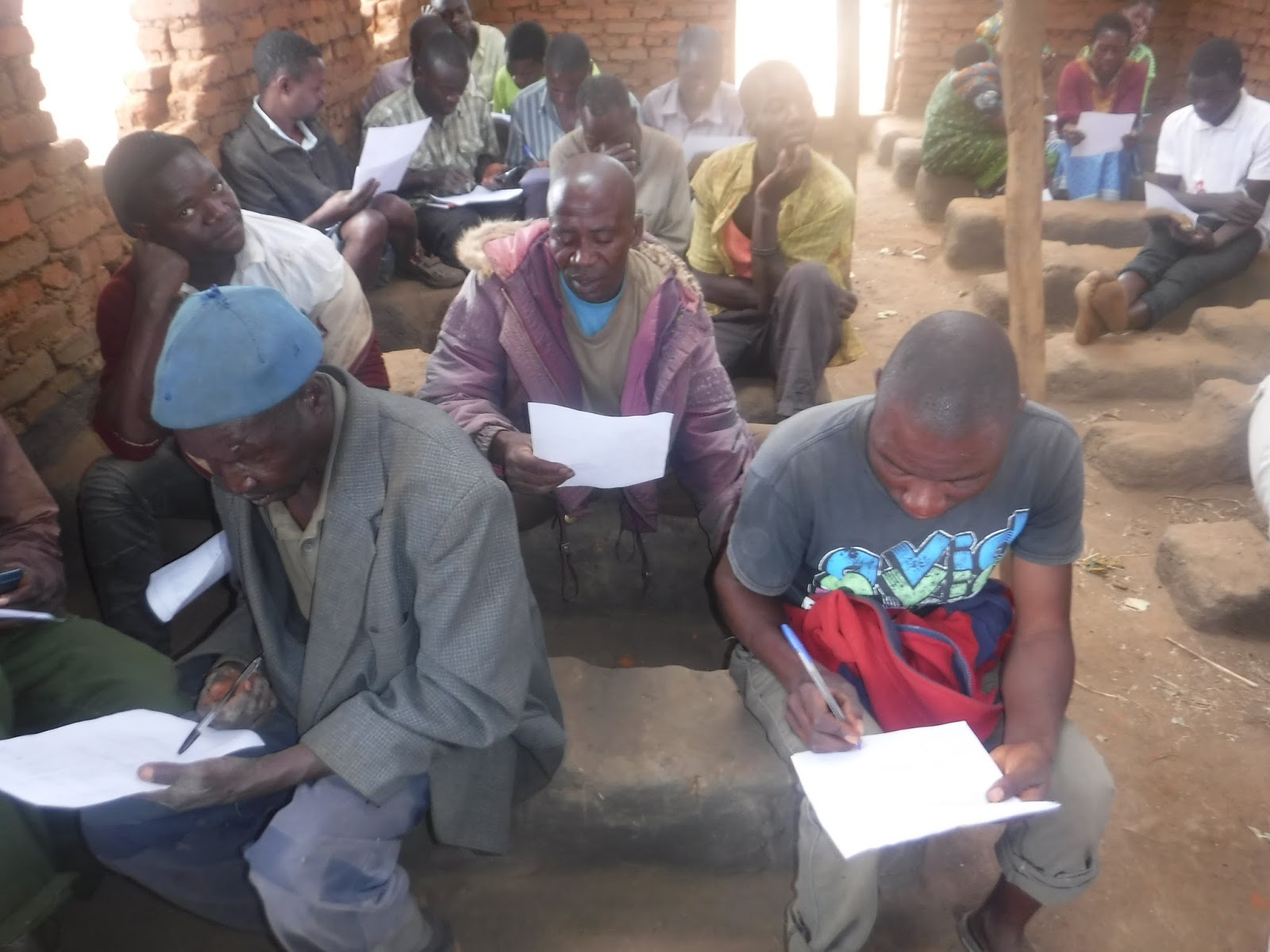
 In his desperation for survival, Symon made a significant shift, leaving the crop he knew best and joining the irrigation club with Africa Windmill Project. After completing the necessary training, he planted five kilograms of maize seed in his garden. Little did Symon know what this small amount of seed combined with good crop management would do.
 Symon’s second harvest produced thirty-one ox-carts full of maize! Needless to say, Symon was “sold” on the benefits of growing food with irrigation learned through Africa Windmill Project. Symon believes that through irrigation farming, Malawians can grow enough food to win the battle against hunger and poverty.
 As a village chief, Symon models a strong work ethic and continually learning how to increase the effectiveness of his farm. He is planning to double the maize seed and plant additional vegetables this year. Symon’s example and encouragement to other farmers is spreading throughout his village and their future is looking brighter as their ox-carts get fuller.
 Thank you to Alex Chipeta, Africa Windmill Project Staff for the contents and photos! And to Amie Siefert, Africa Windmill Project Volunteer for editing!!
YOU + TOOLS & TRAINING = FOOD SECURITY
www.africawindmill.org